

Setting Objective for Social Media Marketing Plan
A program for social media marketing will succeed more likely if it has goals and objectives. To set realistic goals and objectives for organizations, it is important to first determine what it is that they want to accomplish. It might be challenging to evaluate how effectively the social media marketing campaign is working without goals and objectives. Having said that, goals and objectives may be used as indicators to gauge how social media is performing. Each business will have a different set of objectives so it truly depends on what each business will want to achieve. For example, a musician will use social media to focus on promoting their music and so people can share, download, and listen. That may not be the same case for a retail store where they will primarily focus on sales and brand awareness.
I would set objective by using the SMART method. The SMART method is when goals are specific, measurable, attainable, relevant and time specific (Ennis-O’Connor, 2018). Let’s break down each one.
Specific: Goals that are very specific may accurately define what you wish to see. A goal is more difficult to accomplish the more ambiguous it is.
Measurable: Is it simple to gauge the goal’s success?
Attainable: Can this goal actually be accomplished, or is it excessively ambitious and hence more difficult to accomplish?
Relevant: Does this goal support the purpose and values of the business?
Time Specific: Setting a deadline for goals will prevent them from being neglected or completely overlooked.

Collecting Metrics
For a small business, I would set the following goals to start with:
Increase brand awareness: Although this is perhaps the most common goal, it is an important aspect in gaining followers and establishing a presence. People spend approximately three hours every day on social media, therefore it is the ideal approach to get their attention (Lua, 2017). Metrics for measuring brand awareness include evaluating followers, social post reach, as well as mentions, shares, and retweets. Almost all social media channels provide analytics to track those metrics and reports so generating those reports is a good start.
Website Traffic: Are individuals using social media to access the company’s website? Click rates may be used to monitor this. If you’ve ever seen the phrase “Link in bio” on a social media post, it implies that the company wants anyone who is interested to click the link to the website to either read more or to perhaps make a purchase. These clicks may be monitored, which provides information about the effectiveness of the call to action.
Sales and Revenue Growth: Are people signing up and buying as a result of the content we post? This may be monitored by keeping tabs on the money generated by social media advertising as well as the overall financial impact of social media.
Monitor Ongoing Campaign Success
Once a post is made on social media, it is going to take a few days to get an idea of how successful it went. The first thing I would check for are likes, then respond to comments, if any, to increase engagement, then lastly, I would then see if the post was shared. After that quick look, I would want to get a deeper analysis in which I would use a platform such as Google Analytics to take a look at website traffic, leads, and more.
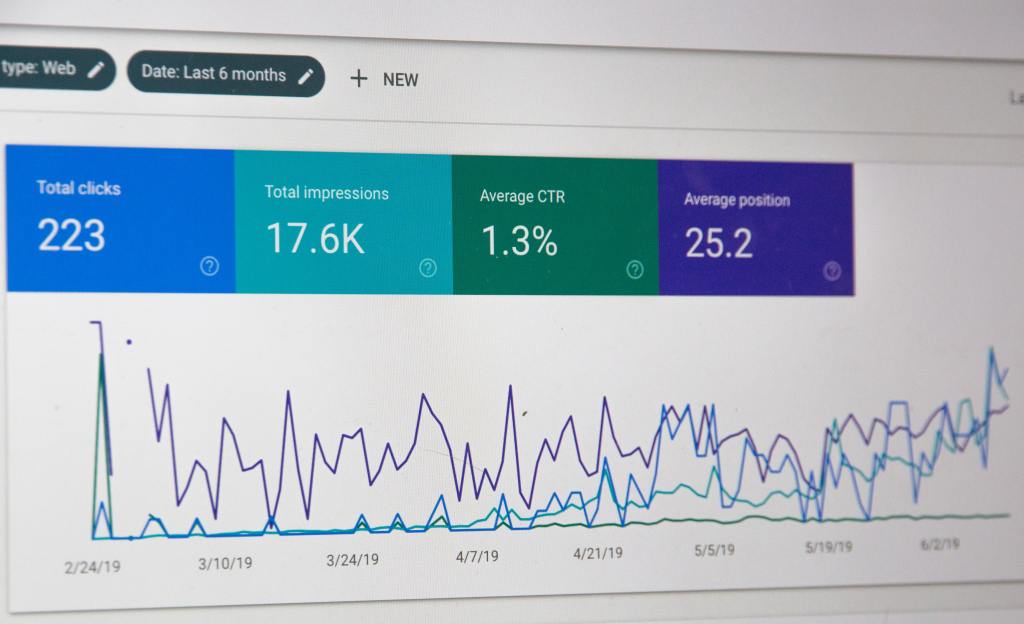
How to Use Collected Metrics?
I would generate reports with all collected data from each social media platform every quarter to look at the performance and see if there needs to be any improvements. Each quarter should show an upward progression so if the numbers are looking down, then we can identify the areas that need to change or make any additions. We can also take a look at what went well and continue to run campaigns that are similar since they were well received.

Determining Long-Term Metrics to Make Change
Customer loyalty is a big component of long-term metrics. Loyal customers are extremely important for a business because that is how word continues to spread. Those loyal customers can also become brand ambassadors for the company which also helps generate more customers. If we see that our customers are dropping and no new ones are coming in, then it is time to gain some feedback to figure out why it is that they left and make those drastic changes.
References:
Ennis-O’Connor, M. (2018, January 18). How to set Smart Social Media Marketing Goals For Your Business. Medium. Retrieved August 14, 2022, from https://marieennisoconnor.medium.com/how-to-set-smart-social-media-marketing-goals-for-2018-862d1002a172
Lua, A. (2017, January 18). 9 Social Media Goals You Can Set for Your Business (and How to Track Them). Buffer Resources. Retrieved August 14, 2022, from https://buffer.com/resources/10-social-media-goals/
Tousley, S. (2016, March 16). 7 Powerful Social Media Experiments That Grew Our Traffic by 241% in 8 Months. Buffer Resources. Retrieved August 14, 2022, from https://buffer.com/resources/social-media-experiments/
 Nyla Cortes
Leave a comment